
How to Plan an Outdoor Speaker System for Your Backyard
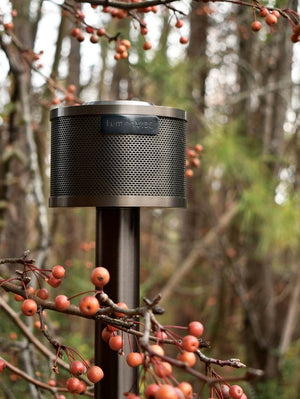

A useful outdoor speaker system starts with the places where people spend time: the dining table, seating area or garden patio. Plan those listening areas first, then choose the equipment and cable routes. A yard’s total square footage alone does not tell you how many speakers to buy.
This guide helps you prepare a shopping and installation plan for outdoor speakers and audio systems, including Sound by Vista and LumienVIBE.
1. Map your listening areas
Sketch the patio, planting beds, paths, structures and property boundaries. Mark the seats where you want clear music at a comfortable level. Note fountains, road noise and other competing sounds. Decide whether different areas need independent control or will share the same music.
For example, a dining patio and a separate fire-pit area may need a different layout from one continuous seating space. Record the actual routes that cable can take around hardscape, rather than measuring only a straight line across the lawn.
2. Choose how audio and power will reach the speakers
With a conventional amplifier-fed system, speaker cable carries the amplifier’s output to the outdoor speakers. The Sound by Vista SBV-10-4 includes four satellite speakers and a 10-inch subwoofer; the SBV-2-50 amplifier package is a separate purchase.
The LumienVIBE LV-40W-A receives audio over Bluetooth and uses a compatible 12V landscape transformer for power. Bluetooth does not eliminate power wiring. Check the speaker page for the separately sold hub, transformer and mounting parts before building your order.
3. Plan placement before digging
Arrange speakers around the intended listening area and evaluate coverage from each seat. Aim for comfortable listening throughout the space, rather than turning up one speaker to reach the far end of the yard. Consider the direction of neighboring properties and keep equipment clear of routine gardening and maintenance activity.
Speaker spacing is system-specific. Use the selected manufacturer’s layout instructions, then test the arrangement at normal listening volume before making placement permanent. A generic spacing rule should not replace the instructions for the equipment you buy.
4. Make a complete component list
- Speakers and any compatible subwoofer.
- The matching amplifier or approved power supply.
- Any required or recommended hub and control components.
- Suitable cable, connections, stakes and mounting accessories.
- A protected, accessible location for power and control equipment.
For a LumienVIBE installation, Atlantic Lighting recommends the LV-HUB. Determine transformer loading from the manufacturer’s electrical input specification, not the speaker’s advertised audio wattage. Also consider whether a lighting timer would turn off speaker power when you still want music.
5. Test, document and allow for maintenance
Before excavation, arrange utility locating and identify private irrigation, lighting and other buried lines. Follow the applicable installation requirements for the site. Test playback, coverage and controls before final backfilling. Record the cable routes and equipment locations so future landscaping work does not become a guessing exercise.
Start with outdoor speakers and audio systems, compare the system components, and build the installation around the manufacturer’s current instructions.
Related Outdoor Audio Guides
For help choosing the audio connection, read Bluetooth vs. wired landscape speakers. Once you have selected a system, use our outdoor speaker wire guide to plan cable ratings, conductor count and run length.
Installing the Vista system? Follow our Sound by Vista SBV-10-4 installation and setup guide for component planning and manufacturer-specific checks.
- Jenny Branch